Written by the Snappy Response Waste SEO & Content Team • Updated October 2026 • 12 min read
Recycling contamination is anything in a recycling bin that does not belong there, or a recyclable item that is too dirty to be processed. Food-soiled packaging, soft plastic, batteries, nappies and textiles are the usual culprits. Contamination can cause a bin to be rejected, or a whole lorry load to be downgraded or sent for disposal instead of recycling.
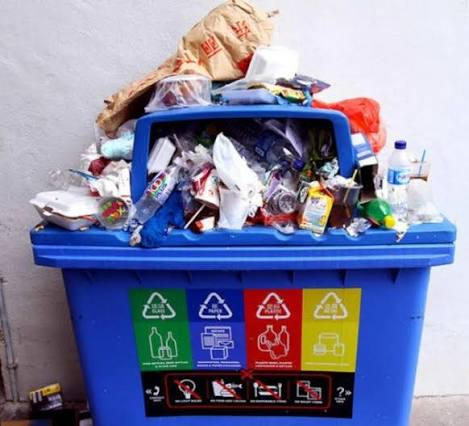 An overflowing bin with mixed waste is a classic contamination risk.
Recycling works because materials such as paper, card, glass, metal and rigid plastic are separated and sent to different reprocessors. Each reprocessor needs material that is clean and sorted. Anything that interferes with that process is a contaminant.
In practice, contamination falls into two groups. Both cause problems at the sorting stage, even though only one involves an item that can never be recycled.
It is tempting to think one yoghurt pot or one greasy box makes no difference. The trouble is that recycling is collected, compacted and tipped together. Grease and liquid transfer to nearby paper and card. Soft plastic wraps around sorting equipment. A damaged battery can start a fire. What starts as one item becomes a quality problem for the whole load.
Contamination affects households, businesses, councils, waste workers and the environment. Here is how.
Heavily contaminated loads can be rejected by the sorting facility. Material that could have been recycled may then go to energy recovery or landfill.
Sorting out contaminants takes time and labour. Those costs are passed on through council budgets and commercial waste contracts.
Reprocessors pay less for dirty material, and some will not accept it, so recycled products become harder to make.
Sharp objects, hazardous items and batteries put sorting staff and collection crews at risk.
Every time a recyclable load is lost, new raw materials have to be produced instead. That uses more energy and water than recycling does. Food and other organic waste that ends up in landfill breaks down without oxygen and produces methane, a potent greenhouse gas. Keeping food out of recycling bins, and recyclables out of landfill, helps in both directions.
For companies, contamination can mean missed collections, extra charges, or a bin provider refusing to lift a bin. Poor segregation can also make it harder to demonstrate good waste practice. If your business produces regular waste, our guide to why proper commercial waste management matters explains the wider responsibilities.
Bar length shows how much of a load is likely to stay usable as recycling. Figures are illustrative, not measured data.
These are the items we see cause problems most often. Rules vary by council, so always check your local guidance.
| Item | Why it is a problem | What to do |
|---|---|---|
| Greasy pizza box | Grease soaks into card and paper. | Tear off the clean lid for recycling and bin the greasy base. |
| Plastic bags and film | Wrap around sorting machinery. | Take to a soft plastic collection point or use general waste. |
| Food and liquid left in containers | Spoils paper, card and other items. | Empty and give a quick rinse. |
| Nappies and wipes | Hygiene hazard and not recyclable. | General waste. |
| Clothing and textiles | Tangle in equipment. | Clothing bank or charity shop if clean and dry. |
| Batteries and vapes | Fire risk in lorries and facilities. | Take to a dedicated battery or electrical recycling point. |
| Broken glass and ceramics | Cuts and different melting points. | Wrap safely and use general waste unless your council says otherwise. |
| Polystyrene | Breaks up and is rarely recycled. | General waste unless a local scheme accepts it. |
Most contaminants spoil quality. Lithium batteries are different, because they can cause fires. A crushed battery or disposable vape can spark inside a compactor lorry or at the sorting facility. Electrical items belong in separate electrical waste routes, not in your kerbside bin. If you are not sure how bulky or hazardous items are handled once collected, read our guide on what happens at a waste transfer station.
Once recycling is collected, it goes to a sorting facility where machines and staff separate materials. Contamination can interrupt this at several points.
Staff can pick out obvious items by hand, but once grease, food or liquid has spread through paper and card, it cannot be separated again. At that point sorting is no longer worthwhile and the affected material is downgraded or disposed of.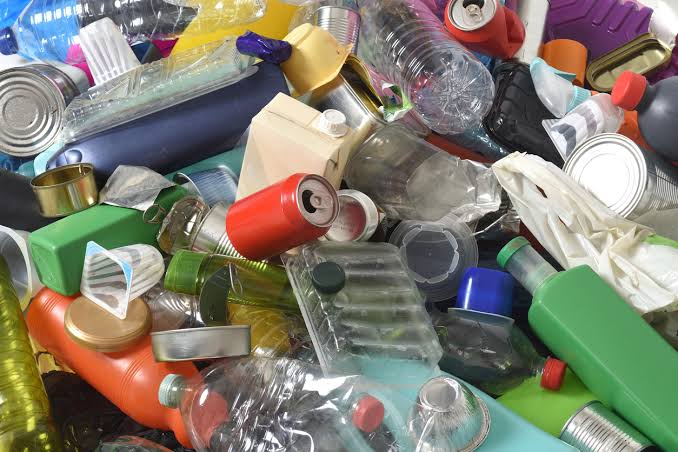
Good news: most contamination is easy to avoid. These habits take seconds.
You do not need to wash everything to a shine. A light film is fine. Sauce, crumbs and liquid are not. If you can see food, it needs another rinse or it belongs in general waste.
Sorting helps, but it cannot fix a load that is wet, greasy or full of the wrong materials.
Putting in doubtful items hoping they will be recycled usually causes harm rather than good.
Sealed bags often cannot be opened and sorted, so many facilities treat them as rubbish.
Workplaces generate larger, more varied waste, so contamination can grow quickly. Offices, shops, restaurants, landlords and trades all face different challenges, but the principles are the same.
Businesses have a duty of care for the waste they produce. That means passing it only to authorised carriers and keeping appropriate records. Our explanation of what a waste transfer note is covers the basics.
House, office and garage clearances tend to produce mixed loads: electricals, textiles, furniture, half-used paint and food-soiled packaging. Putting everything into the same bin or skip makes sorting harder and recycling rates lower. If you are facing a larger clear-out, a professional service can separate materials at the start. See our overview of rubbish and junk removal services across the UK for how we approach this.
| Situation | Contamination risk | Better approach |
|---|---|---|
| Kitchen and takeaway waste | Food, grease, liquids | Empty, rinse, separate food waste. |
| Office | Mixed bins, batteries, coffee cups | Clear signage and dedicated collection points. |
| House clearance | Electricals, textiles, furniture mixed together | Sort by material before collection. |
| Garden and garage | Paint, tools, soil, appliances | Separate hazardous and bulky items. |
Each recyclable material has its own weak points. Knowing them makes it much easier to get the right result without overthinking every item.
Paper and card are the materials most easily damaged by moisture and grease. A wet newspaper or a card box soaked in oil loses the fibre quality that reprocessors need. Keep paper dry, remove plastic wrapping and flatten boxes so they take up less room. Shredded paper is often too small to sort, so check whether your council wants it bagged separately or treated as general waste. Used tissues, kitchen roll and paper towels are generally not recyclable because they are soiled and the fibres are too short.
Bottles and jars are valuable and can be recycled again and again, but only when they are free of food and the wrong glass types. Drinking glasses, window glass, mirrors and oven-proof dishes melt at different temperatures to bottle glass, so they spoil the batch. Empty jars, remove food and, where your council asks, take off lids. Never put broken glass loose into a bin without wrapping it safely.
Steel and aluminium are highly recyclable, which is why contamination here is usually down to leftovers or mixed items. Empty tins, rinse them quickly and leave labels as they are. Aerosol cans should be fully empty, and paint tins should be completely dry before you consider recycling them. Foil is accepted by many councils when it is clean and scrunched into a ball, but greasy foil is a contaminant.
Plastic is the most confusing material because there are so many types. Rigid plastics such as bottles, tubs and trays are usually accepted, while films, wrappers and bags usually are not. Black plastic trays can be hard for sorting equipment to detect, so some councils ask you to avoid them. Squash bottles only if your council says so, and replace the cap if you are told to. Always check labels and local rules rather than relying on the recycling symbol alone, since the symbol only says what the plastic is made from, not whether your council collects it.
| Material | Usually accepted | Usually contaminates |
|---|---|---|
| Paper and card | Clean, dry paper, cardboard boxes | Greasy card, wet paper, tissues |
| Glass | Bottles and jars | Drinking glasses, mirrors, window glass |
| Metal | Empty tins and cans | Food-filled tins, full aerosols |
| Plastic | Rigid bottles, tubs, trays | Bags, film, wrappers, polystyrene |
If your recycling keeps getting rejected, or you simply want to improve, a short audit shows where the problems start. You do not need specialist equipment, only a little time and a few gloves.
Repeating this every quarter keeps standards high, and it helps you show customers and clients that you take waste seriously.
Councils, collection crews and sorting staff do their part, but the biggest influence happens at the point of disposal, which is you. A household that rinses a jar and keeps film out of the box, or a business that labels bins clearly, protects the value of the recycling stream. Over thousands of homes and offices, those small decisions decide whether recycling is worth collecting, or ends up as expensive waste.
That is also why we encourage reuse and donation wherever possible. Items in good condition do not need to be recycled at all. Furniture, working electricals and clean clothing often have a second life, which keeps them out of the bin and avoids contamination altogether.
This article was written by the Snappy Response Waste SEO and content team, working with the operations side of the business, who handle household, commercial and bulky waste collections. It reflects day-to-day experience of how mixed loads are handled, plus general UK recycling guidance. Because rules differ by council, we recommend checking your local authority’s website for the final word on what your bins accept.
The UK is moving towards more consistent recycling collections, with England’s Simpler Recycling reforms aiming to align what households and businesses can recycle. Waste and recycling guidance is also published by WRAP, a UK charity that works on practical recycling improvements. Rules and timelines can change, so check your council or provider for current details.
It means recycling that contains non-recyclable items or recyclable materials that are too dirty, wet or greasy to be processed.
Food waste, greasy pizza boxes, plastic bags, nappies, textiles, batteries, vapes, broken glass and items with liquid left inside.
Not always, but it can. Grease, liquid and soft plastic spread easily, and some collection crews will leave a bin unemptied if they see contamination.
Not thoroughly. Empty containers and give them a quick rinse so no food residue remains.
Usually no. Keep recycling loose unless your council states otherwise, because bags are difficult to open and sort.
The clean parts of a box can often be recycled. Greasy or food-stained sections should go in general waste.
Never put them in household recycling or general waste. Use a battery recycling point or a retailer take-back scheme.
A tag or sticker usually means contamination was spotted. Remove the items listed and present the bin again at the next collection.
Snappy Response Waste can help with household, commercial and bulky waste collection, handled responsibly from the start.
In short: recycling contamination is easy to prevent once you know the basics. Empty, rinse, keep it loose, avoid doubtful items and check local rules. A few seconds at the bin helps more material get recycled.