Waste Transfer Station: What Happens There? Full Process
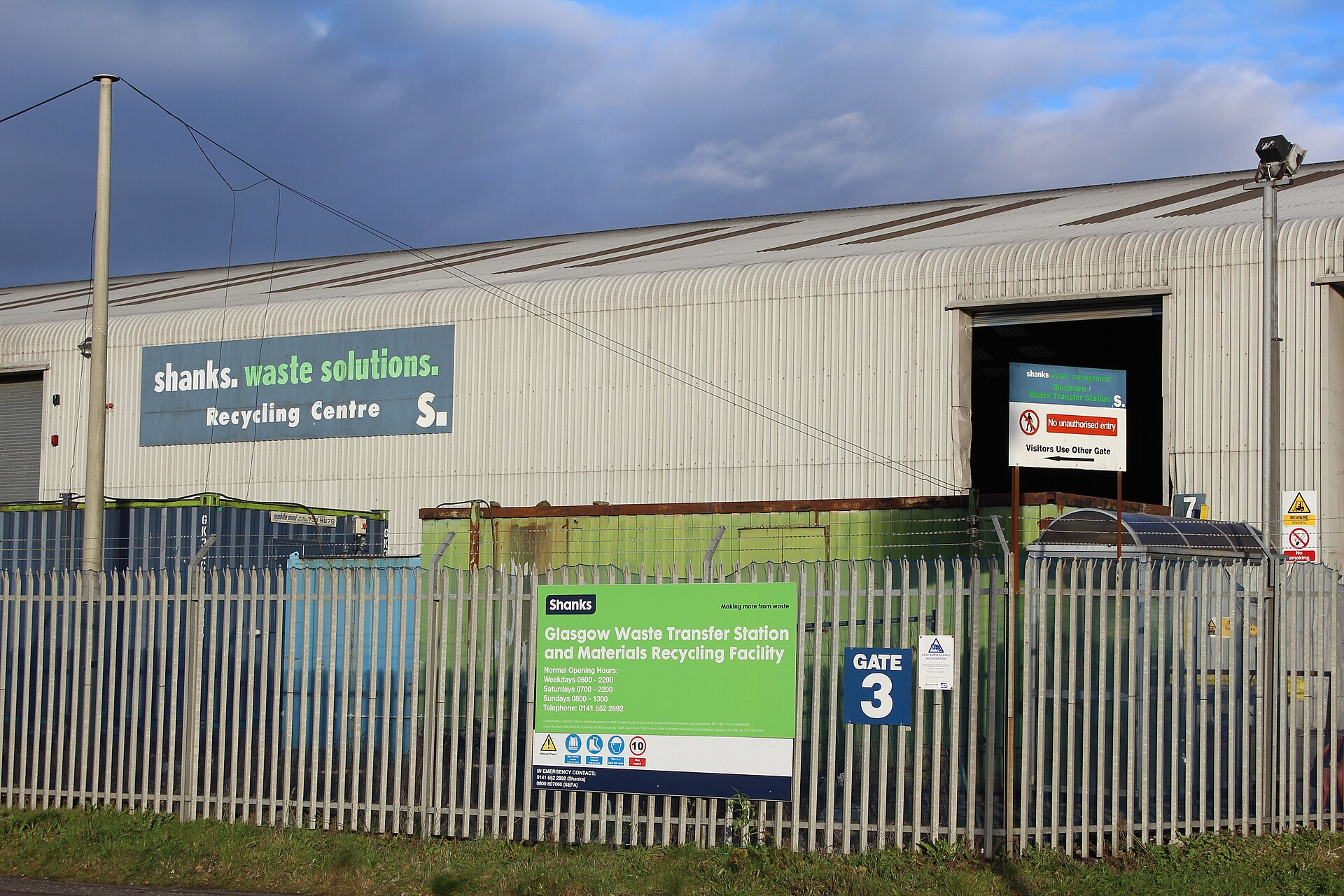
A waste transfer station is an important part of the UK’s waste management system. It is where collected waste can be received, checked, unloaded, sorted, or consolidated before being sent to a recycling facility, recovery facility, treatment site, or disposal facility.
A waste transfer station is a facility where waste is temporarily received and managed before its next destination. Instead of every collection vehicle travelling directly to a final treatment or disposal site, waste can be taken to a transfer station, checked, and consolidated into larger loads. Depending on the facility and type of waste, materials may also be separated for recycling or recovery.
What Is a Waste Transfer Station?
A waste transfer station is a controlled facility used to receive waste from collection vehicles and prepare it for onward movement. The waste does not necessarily remain there for long. In many cases, the station acts as a practical link between the point where waste is collected and the specialist facility that will ultimately recycle, recover, treat, or dispose of it.
This arrangement can make waste collection more efficient. Smaller collection vehicles can deliver waste locally rather than travelling long distances to a final destination. Loads can then be combined and transported onwards in larger vehicles.
Waste arrives from homes, businesses, clearances, and other collection services.
Loads may be checked to identify unsuitable or restricted materials.
Where appropriate, materials can be separated or directed towards recovery.
Waste is consolidated and transported to its next authorized destination.
What Happens at a Waste Transfer Station?
The exact process varies between facilities and depends on the type of waste being handled. However, the general journey usually follows a similar pattern.
Waste Arrives at the Transfer Station
A collection vehicle brings waste to the facility. This could include household rubbish, commercial waste, construction-related waste, bulky items, or other permitted waste streams.
The Waste Is Checked
The incoming load may be inspected to confirm that it is suitable for the facility. This helps identify materials that should not be accepted or that require a different handling route.
The Waste Is Unloaded
Once accepted, the waste is unloaded in the designated area. Facilities use controlled working areas and procedures appropriate to the waste they handle.
Waste May Be Sorted
Depending on the facility, waste may be separated into different material streams. The aim can be to identify recyclable or recoverable materials and direct them towards the most appropriate route.
Waste May Be Consolidated
Similar waste streams can be combined into larger loads. This allows onward transport to be carried out more efficiently than sending multiple smaller collection vehicles to distant facilities.
Waste Moves to Its Next Destination
The waste is transported onwards according to its type and the route available. This may involve recycling, recovery, treatment, or disposal.
Where Does Waste Go After a Transfer Station?
A transfer station is generally not the final destination for waste. What happens next depends on the material, contamination level, local infrastructure, and available treatment or recovery routes.
| Waste Route | What May Happen Next |
|---|---|
| Recycling | Suitable materials may be sent to specialist recycling facilities for processing. |
| Recovery | Some waste may be directed towards an appropriate recovery process. |
| Treatment | Certain waste streams may require specialist treatment before their final destination. |
| Disposal | Waste that cannot be practically recovered or recycled may require authorized disposal. |
What Happens to Recyclable Waste?
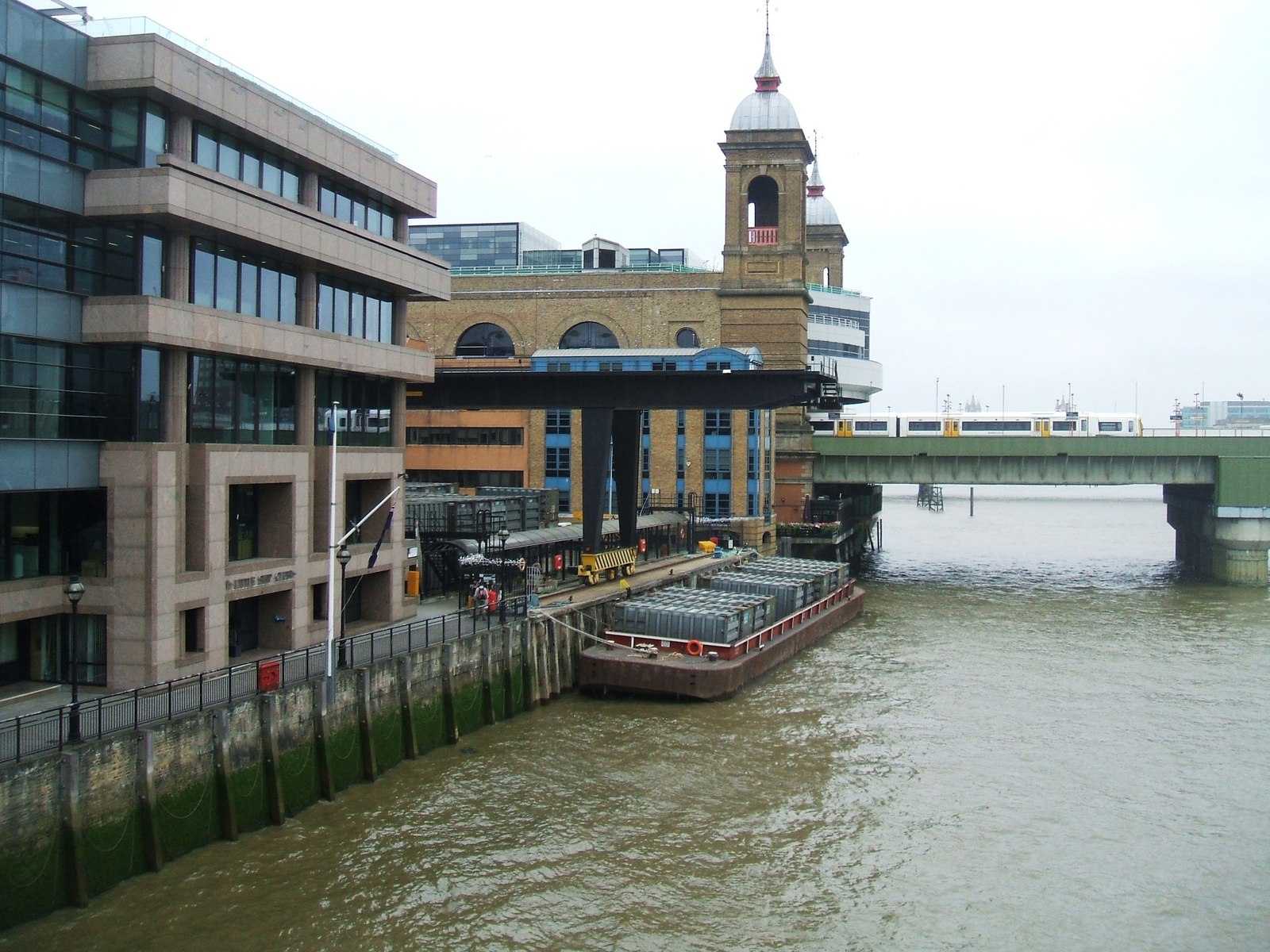
One of the important functions within modern waste management is identifying materials that may have a useful recovery or recycling route. Depending on the facility, recyclable materials can be separated from mixed waste or directed towards specialist facilities.
The important point is that not every item placed in a rubbish collection automatically becomes recyclable. Material type, contamination, condition, and the available processing infrastructure can all affect what happens next.
Separating suitable materials at the source can make subsequent recycling and recovery processes more effective. The UK’s waste hierarchy places prevention, reuse, and recycling above recovery and disposal where those options are practicable.
For further guidance, see the UK Government’s guidance on applying the waste hierarchy.
Waste Transfer Stations and the UK Waste Hierarchy
The waste hierarchy provides a useful way to understand why waste is not simply treated as one category. The preferred approach is generally to prevent waste first, followed by reuse, recycling, and other recovery options before disposal where appropriate.
| Priority | Approach | Meaning |
|---|---|---|
| 1 | Prevention | Avoid producing unnecessary waste in the first place. |
| 2 | Reuse | Use products or materials again where practical. |
| 3 | Recycling | Process materials so they can be used again. |
| 4 | Recovery | Recover value from waste where suitable. |
| 5 | Disposal | Use an appropriate disposal route when other options are not suitable. |
Is a Waste Transfer Station the Same as a Recycling Center?
No. Although the two types of facility can be connected within the wider waste management system, they serve different purposes.
| Waste Transfer Station | Recycling Centre |
|---|---|
| Receives and manages collected waste. | Primarily handles materials intended for recycling. |
| Can consolidate loads for onward transport. | Processes or prepares recyclable materials for further use. |
| May handle several permitted waste streams. | Usually focuses on specific recyclable material streams. |
| Often forms a link between collection and the next facility. | Can be part of the recycling or material recovery process. |
What Types of Waste Can Go to a Transfer Station?
There is no single list that applies to every transfer station. Each facility has its own permitted waste types, operating procedures, and acceptance criteria.
Household Waste
General rubbish and unwanted household items may be accepted where permitted by the facility.
Commercial Waste
Businesses can generate mixed waste, packaging, office waste, and other materials requiring managed disposal.
Bulky Items
Furniture and other large unwanted items may require different handling from ordinary bagged rubbish.
Clearance Waste
House and property clearances can produce mixed loads containing several different materials.
Garden Waste
Garden and green waste may have a separate treatment or recovery route where accepted.
Other Waste Streams
Some facilities handle additional permitted waste streams subject to their operating requirements.
What Happens to Rubbish from a House Clearance?
A house clearance can produce a surprisingly varied waste load. Furniture, appliances, packaging, household items, garden materials, and general rubbish may all be present at the same time.
A professional clearance service can collect the items and arrange appropriate waste handling rather than leaving the property owner to manage multiple disposal trips themselves.
How Does Professional Rubbish Removal Fit Into the Process?
Professional rubbish removal is the collection stage that connects a property or business with the wider waste management network. Once waste has been collected, the operator can arrange for it to be taken to an appropriate facility.
For homeowners, landlords, and businesses, this can be considerably easier than arranging separate trips to disposal facilities, particularly when dealing with bulky items or larger quantities of rubbish.
You can also read our guide: Waste Disposal: Things You Need to Know About Rubbish Removal.
Why Proper Waste Disposal Matters
Waste management is more than simply getting unwanted items out of a property. The way waste is collected, transported, and handled affects what happens to it afterwards.
Environmental Responsibility
Using appropriate waste routes can help reduce unnecessary disposal and support recovery where practical.
Legal Compliance
Waste producers and waste businesses have responsibilities around how waste is handled and transferred.
Cleaner Properties
Professional collection can help homes, rental properties, and businesses remain clear, usable, and presentable.
How Can You Choose a Responsible Rubbish Removal Company?
If you are paying someone to remove your rubbish, it is worth considering what happens after the collection. A responsible service should be able to explain how waste is handled and provide appropriate documentation where required.
- Check that the business provides clear information about its waste collection service.
- Ask what types of waste it accepts before booking.
- Check that the company understands its waste management responsibilities.
- For commercial waste, make sure the appropriate waste documentation is provided where required.
- Be cautious of unusually cheap services that cannot explain where the waste will go.
Good waste management is not simply about removing rubbish quickly. It is about making sure the waste enters an appropriate and responsible route.
Waste Transfer Stations and Fly-Tipping
Fly-tipping happens when waste is illegally dumped rather than taken through an authorised waste management route. Using a legitimate rubbish removal service helps reduce the risk of your waste being abandoned instead of properly managed.
This is particularly important when arranging larger clearances. If someone offers to remove waste for a very low price but cannot explain where it will be taken, ask questions before handing over your rubbish.
What Happens to Waste in Birmingham and the West Midlands?
Across Birmingham, Walsall and the wider West Midlands, householders and businesses generate many different types of waste every day. Local collection services can take waste into the wider regional waste management network, where it may be transferred, sorted, consolidated and sent to suitable facilities.
For customers, the important point is that the collection vehicle is often only the beginning of the waste journey. The rubbish removed from a home, office, garden or commercial property still needs an appropriate destination.
Large urban areas generate substantial volumes of household and commercial waste requiring organised collection and onward management.
House clearances, business waste and general rubbish collections form part of the wider regional waste stream.
Does Everything at a Waste Transfer Station Go to Landfill?
No. A waste transfer station is not simply a place where everything is sent directly to landfill. The next destination depends on the waste type, condition, contamination and available treatment or recovery options.
Where suitable routes exist, waste may be sent for recycling, recovery or treatment. Some residual waste may ultimately require disposal, but the transfer station itself is primarily part of the process of managing and moving waste to its next destination.
What Is a Waste Transfer Note?
A waste transfer note is a record associated with the transfer of waste and helps document what waste was transferred and between whom. The exact requirements depend on the type of waste and circumstances.
For businesses, keeping the correct waste documentation is an important part of responsible waste management. If you are arranging commercial waste collections, make sure you understand what paperwork applies to your particular waste stream.
Waste Transfer Station FAQs
What is the purpose of a waste transfer station?
A waste transfer station provides a controlled location where collected waste can be received, checked, managed and consolidated before being transported to its next authorised destination.
Is a waste transfer station the final destination?
Usually not. A transfer station commonly acts as an intermediate point before waste moves to recycling, recovery, treatment or disposal.
Is waste sorted at a transfer station?
It can be, depending on the facility and the type of waste it handles. Some stations separate materials or prepare loads for onward processing.
Does all waste from a transfer station go to landfill?
No. Depending on the material and available routes, waste may be recycled, recovered, treated or disposed of.
Can household rubbish go to a waste transfer station?
Some transfer stations accept household waste, but acceptance depends on the facility and its permitted waste types.
Can businesses use waste transfer stations?
Yes, where the facility accepts the relevant commercial waste stream. Businesses should make sure their waste is handled and documented appropriately.
What happens to rubbish after collection?
Collected rubbish may be taken to a transfer station or another appropriate facility. It can then be sorted, consolidated, recycled, recovered, treated or disposed of depending on the waste.
How do I arrange professional rubbish removal?
You can arrange a rubbish collection with a professional waste removal company and ask what waste types they accept and how the collected material will be managed.
The Bottom Line
A waste transfer station is an important link between waste collection and the facility where that waste will ultimately be recycled, recovered, treated or disposed of. The process can involve receiving the waste, checking it, unloading it, sorting or consolidating it and arranging onward transport.
For homeowners, landlords and businesses in Birmingham, Walsall and the wider West Midlands, understanding this process makes it easier to see why responsible rubbish removal matters. Removing waste from a property is only one part of the journey; making sure it enters an appropriate waste management route is equally important.
Need Rubbish Removed?
Whether you’re clearing a home, business, garden or unwanted items, Snappy Response Waste can help with professional rubbish removal across the West Midlands.
Explore Rubbish Removal Services →